
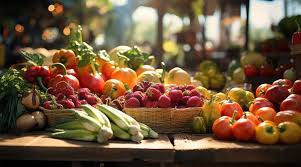
As a passionate foodie and avid traveler, my culinary adventures often lead me to local farms and artisan producers. There’s something magical about the farm-to-table movement, where food is not just a meal, but a connection to the land and the people who nurture it. Join me as I share my experiences, the benefits of sourcing food locally, and how you can engage with farmers during your travels.
What is Farm-to-Table?
The farm-to-table movement emphasizes the importance of sourcing food directly from local farms and producers. It’s about freshness, sustainability, and building a connection with the people who grow our food. According to a study published by the National Institutes of Health, farm-to-table practices not only support local economies but also promote healthier eating habits by encouraging the consumption of fresh, seasonal produce.
Why Visit Local Farms?
During one of my travels to the rolling hills of the California countryside, I stumbled upon a charming organic farm called Sunny Hill Farm. As I wandered through the fields, I felt a sense of tranquility envelop me. The vibrant colors of the vegetables, the smell of fresh earth, and the joyful sounds of chickens clucking around made it feel like I had stepped into a fairytale. But it wasn’t just about the picturesque scenery—visiting local farms allows you to:
1. Understand Food Production
When you visit a farm, you get a firsthand look at how food is produced. It’s eye-opening! I remember watching a farmer explain the intricacies of organic farming. He mentioned that the real challenge isn’t just growing the crops but doing so in a sustainable manner. Who knew that soil health could be so fascinating? I left that day with a newfound respect for farmers and the hard work they put into feeding us.
2. Enjoy Fresh and Flavorful Produce
Ever bitten into a ripe strawberry straight from the vine? Pure bliss! The flavor of freshly picked produce is unparalleled. According to a report by the USDA, consumers report that farm-fresh food is often more flavorful than supermarket varieties. I can attest to this; my taste buds have never been happier than when I devoured a juicy heirloom tomato on that same California farm.
3. Support Local Economies
Buying directly from farmers keeps money within the community. This was a significant point made by the farmer at Sunny Hill. He explained that every dollar spent on local produce generates three dollars in local economic activity. Now that’s what I call a win-win situation! Supporting local agriculture also helps ensure that those farms can continue to thrive for generations to come.
How to Engage with Farmers During Your Travels
Now that you understand the importance of local food sourcing, let’s talk about how you can make the most of your farm visits. Here are a few tips from my own adventures:
1. Take a Farm Tour
Many farms offer tours where you can learn about their practices and see the produce in action. On my visit to Sunny Hill, I participated in a guided tour that included sampling fresh herbs. The farmer had a knack for storytelling, and his passion was infectious. I found myself laughing at his tales of crop failures and pest invasions while savoring a handful of fragrant basil.
2. Attend Workshops
Some farms offer workshops where you can learn skills like cheese-making or canning. I once attended a cheese-making class at a goat dairy farm. It was messy, hilarious, and incredibly rewarding. As I awkwardly fumbled with curds and whey, the farmer chuckled and reassured me that everyone starts somewhere. By the end of the day, I not only had a new skill but also a newfound appreciation for artisanal cheeses.
3. Ask Questions
Farmers love to share their knowledge. Don’t be shy! During my farm visits, I always make it a point to ask about their practices and challenges. You might discover fascinating insights that enhance your understanding of food. Plus, many farmers are eager to share recipes and cooking tips, which I find incredibly helpful.
The Benefits of Sourcing Food Locally
As I continued my farm visits, I realized that the benefits extend beyond just delicious food. Here’s a quick rundown of why sourcing food locally matters:
1. Environmental Impact
Buying local reduces the carbon footprint associated with transporting food long distances. A study by the Union of Concerned Scientists emphasizes that local food systems can significantly reduce greenhouse gas emissions.
2. Seasonal Eating
Eating seasonally means you’re consuming food at its peak freshness and nutritional value. Seasonal eating also encourages variety in your diet as you explore different fruits and vegetables throughout the year.
3. Community Connection
Supporting local farms fosters a sense of community. It creates relationships between consumers and producers, building trust and a shared commitment to sustainable practices.
Conclusion: Your Farm-to-Table Adventure Awaits
Embarking on a farm-to-table adventure is not just about food; it’s about connection, sustainability, and appreciation for the hard work that goes into producing our meals. So, whether you find yourself in a bustling farmers’ market or wandering through a serene orchard, remember that every bite tells a story.
Explore More
If you’re curious about nurturing the next generation of food enthusiasts, don’t forget to check out some reviews of preschool products on this website. After all, instilling a love for fresh food starts at an early age!