
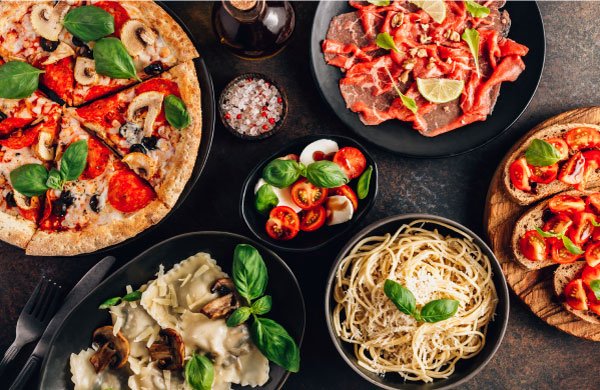
As a self-proclaimed foodie, I’ve always believed that the best way to experience a culture is through its food. There’s something incredibly special about tasting a dish that has been perfected over generations, and when I travel, I make it my mission to seek out the best culinary routes. These food trails not only satisfy your appetite but also tell stories about the places and people that create them. Join me as I share some of the most delicious and memorable food trails from around the globe.
Why Food Trails Matter
Food trails are more than just a collection of eateries; they are journeys through the heart of a region’s culinary identity. According to a report by the United Nations World Tourism Organization, culinary tourism is on the rise, with travelers eager to explore local cuisines. Why? Because food connects us to culture, history, and the very essence of a place.
During my first food trail experience in Tuscany, I discovered the significance of local ingredients. Picture this: I was in a small villa surrounded by rolling hills, fresh tomatoes bursting with flavor in the garden, and olive trees swaying in the gentle breeze. Each meal prepared by our host was an explosion of flavors that spoke to the land itself. I couldn’t help but think, “This isn’t just food; this is Italy on a plate!”
Exploring the Best Culinary Routes
1. The Tuscany Wine Trail
Ah, Tuscany! The land of rolling hills and vineyards stretching as far as the eye can see. The Tuscany Wine Trail is a feast for the senses. Along this route, you’ll find quaint towns like Montalcino, known for its famous Brunello wine. My first stop was at a family-owned vineyard where the winemaker, an older gentleman with a twinkle in his eye, took us on a tour. He proudly shared that his family had been crafting wine for over 300 years, and as we sipped the Brunello, I felt like I was tasting history.
Don’t Miss: Local Delicacies
Pair your wine with local delicacies like pici (hand-rolled pasta) and pecorino cheese. I remember one evening, sitting under the stars, savoring a plate of pici with a rich tomato sauce, and realizing that simple ingredients made for extraordinary meals.
2. The Route des Vins in Alsace
If you’ve ever dreamed of a fairy-tale landscape dotted with charming villages and vineyards, the Route des Vins in Alsace is your answer. This picturesque route winds through villages like Riquewihr and Colmar, offering not only stunning views but also incredible food and wine pairings.
Perfect Pairings
One of my favorite memories was visiting a local winery where I learned about the intricacies of pairing wines with traditional Alsatian dishes like tarte flambée. Imagine crispy dough topped with crème fraîche, onions, and lardons, all perfectly complemented by a glass of local Gewürztraminer. According to a study published in the Journal of Wine Research, the right wine can enhance the flavor profile of a dish, and let me tell you, this pairing was pure magic.
3. The Culinary Trail in Oaxaca, Mexico
For a completely different flavor experience, head to Oaxaca, known as the culinary capital of Mexico. This vibrant region offers a plethora of flavors, from mole to mezcal. I had the pleasure of taking a cooking class with a local chef who shared her family recipes. As we chopped vegetables and roasted chilies, she told us stories of her childhood, steeped in the traditions of Oaxacan cooking.
Experience the Markets
Don’t miss a visit to the local markets, where the colors and aromas are simply intoxicating. I remember being overwhelmed by the array of ingredients and the warmth of the vendors, each eager to share their culinary tips. One vendor, who I affectionately called “The Chile Queen,” introduced me to a variety of chiles that I had never seen before. I left with bags full of spices and a heart full of stories.
The Importance of Local Ingredients
One common theme I’ve noticed along these food trails is the emphasis on local ingredients. Each region’s unique climate and soil contribute to the flavors of its food. A report by the National Center for Biotechnology Information indicates that utilizing local produce not only supports local economies but also promotes healthier eating habits.