
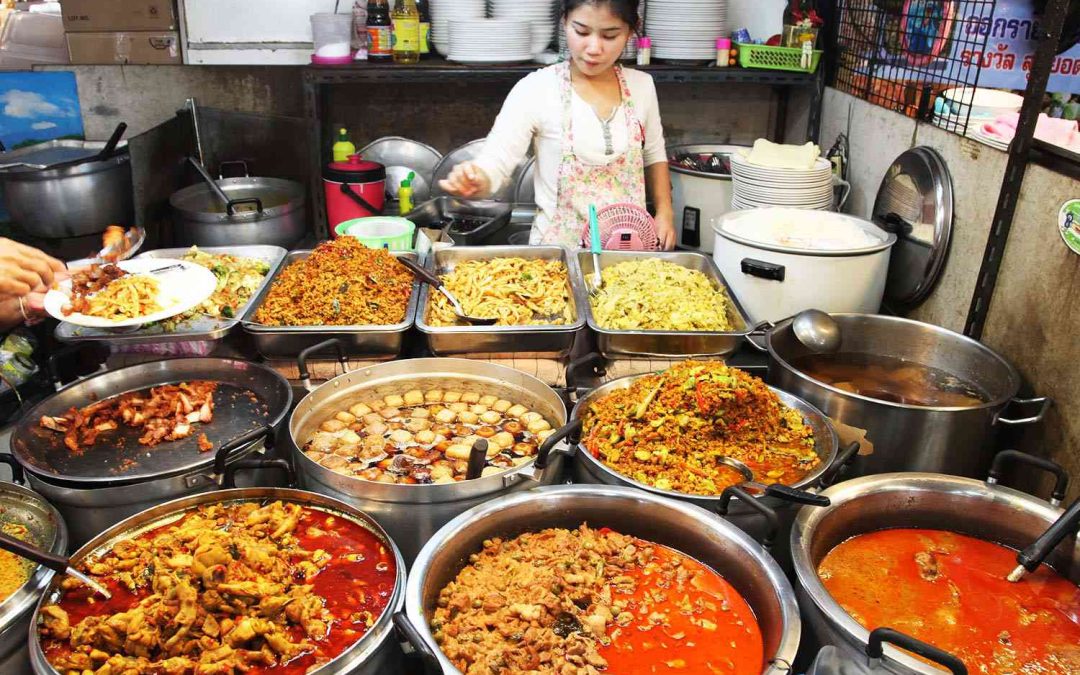
There’s something magical about food that transcends mere sustenance; it tells stories, evokes memories, and bridges cultures. As a self-proclaimed food enthusiast, I’ve had the pleasure of exploring various corners of the globe, each offering a unique culinary narrative. Join me on a delightful journey through authentic regional cuisines and discover how local ingredients and cooking methods shape these delectable dishes.
The Whys of Culinary Exploration
Why travel for food? Well, because food is the universal language that connects us all. My first culinary adventure took me to Italy, where I learned that pasta is more than just a meal; it’s a way of life. Imagine sitting at a rustic table in a sun-drenched trattoria, the aroma of fresh basil and garlic wafting through the air. That’s not just a meal; it’s an experience!
According to a study published by the National Institutes of Health, food experiences can significantly enhance our travel memories. The research suggests that these sensory experiences make our travels more memorable, creating connections that last a lifetime.
What Makes Authentic Regional Cuisines Special?
Authentic regional cuisines offer a taste of culture that you simply can’t replicate at home. Each dish is a reflection of the land, the climate, and the people. For instance, the spicy curries of India are a testament to the vibrant spices grown in its fertile soil. Each bite is a burst of flavor and history, a celebration of a thousand years of culinary evolution.
Local Ingredients: The Heart of Regional Cuisines
One of the fascinating aspects of regional cuisines is the emphasis on local ingredients. When I visited Mexico, I learned that true Mexican food isn’t just about tacos and guacamole. It’s about fresh, locally sourced ingredients like masa (corn dough) and a variety of chilies. I recall visiting a local market in Oaxaca, where the colors and smells were overwhelming. Vendors passionately shared their goods, from vibrant chiles to fragrant herbs.
Cooking Methods: Tradition Meets Innovation
Cooking methods also play a crucial role in defining regional cuisines. Take, for example, the ancient art of making couscous in North Africa. The process is labor-intensive but incredibly rewarding. I remember watching a skilled cook steam the semolina and how, with every puff of steam, she recounted tales of her grandmother’s recipes passed down through generations. It was as if I was tasting history itself.
Let’s Talk Techniques: How They Shape Flavor
The techniques used in regional cooking often dictate the final taste of a dish. For instance, in French cuisine, the art of sauce-making is sacred. During a cooking class in Paris, I was instructed on the delicate balance of flavors in a classic béchamel. “It’s all about love and patience,” my chef insisted, stirring with a flair that made the sauce feel like a living entity. Who knew that cheese and milk could evoke such passion?
From Street Food to Fine Dining: A Culinary Spectrum
When we think of traditional cuisines, we often picture fancy dining. But let’s not forget about street food—the soul of a culture! On my travels through Thailand, I discovered that the best Pad Thai comes from a humble street vendor who can whip it up in under five minutes. I could hardly believe the burst of flavors dancing on my palate, and let’s not even get started on the prices!
The Humor in Culinary Disasters
Of course, not every culinary adventure is a success. I still chuckle at my attempt to make traditional Irish soda bread during a cooking class in Dublin. The instructor’s warning echoed in my ears: “Don’t over-knead it!” But in my excitement, I channeled my inner dough warrior, creating a loaf that resembled a rock more than bread. Let’s just say it didn’t get a warm reception at the dinner table!
Solutions for Embracing Culinary Traditions
So how can you embrace authentic regional cuisines in your travels? Here are a few tips:
1. Seek Local Experiences
Don’t just dine at tourist hotspots. Ask locals for their favorite eateries or hidden gems. They often know the best places that serve authentic dishes.
2. Participate in Cooking Classes
Engaging in a cooking class allows you to learn the techniques and secrets behind the dishes you love. Plus, it’s a fun way to connect with the local culture.
3. Explore Markets
Visiting local markets is a fantastic way to understand the ingredients that make up regional cuisines. Talk to the vendors, taste samples, and discover the stories behind their products.
4. Try Street Food
Be adventurous! Street food is often where you’ll find the most authentic flavors. Just remember to choose busy stalls—they’re usually the best ones!
In Conclusion: A Delicious Journey Awaits
Exploring authentic regional cuisines is not just about satisfying your taste buds; it’s about immersing yourself in culture and history. With every dish you try, you’re tasting the stories of the people who create them. So pack your bags, grab your fork, and get ready for a culinary adventure that’s as flavorful as it is enlightening.
Ready to Taste Tradition?
For those keen to dive deeper into the world of culinary exploration, I encourage you to check out some of the reviews of preschool products on this website. Just as food is a journey through culture, these products can enhance your little one’s learning experiences!