
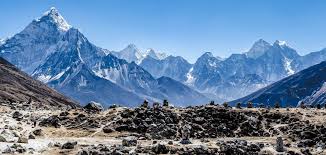
The Himalayas, Nepal: An Unforgettable Trekking Adventure
There are some experiences in life that will humble you, and trekking in the Himalayas is one of them. Standing at the base of the world’s tallest peaks, surrounded by snow-capped mountains that scrape the sky, you realize just how small you are in the grand scheme of things. Nepal, the gateway to the Himalayas, has been the dream of adventurers, spiritual seekers, and mountaineers for centuries—and for good reason. If you’re someone who loves adventure and craves that unique blend of physical challenge and spiritual discovery, the Himalayas are calling.
What Makes the Himalayas So Special?
When we talk about the Himalayas, we’re not just talking about some mountains. We’re talking about Mount Everest—the roof of the world. The sheer scale of this mountain range is difficult to grasp until you’re standing there, looking up, trying to imagine how climbers scale these towering giants. But it’s not just the height that makes the Himalayas special. It’s the deep cultural and spiritual history that flows through the region.
The trails you walk on have been trodden by monks, sherpas, and explorers for hundreds of years. These are the same paths that lead to remote Buddhist monasteries where prayer flags flutter in the mountain breeze. And even though you might be there for the thrill of the trek, you can’t help but be moved by the deep sense of peace and spirituality that pervades the Himalayas.
A Personal Anecdote
I remember my first trek in the Himalayas like it was yesterday. It was the Everest Base Camp trek, a bucket-list adventure for so many people, and honestly, I had no idea what I was in for. Sure, I had trained and packed all the right gear, but nothing can really prepare you for the moment you catch your first glimpse of Everest peeking through the clouds. It’s humbling, exhilarating, and terrifying all at once.
I’ll never forget the night we reached the base camp. At nearly 18,000 feet, the air was thin, and every breath felt like a small victory. As I stood there, staring at the face of Everest, I felt a wave of emotions that’s hard to describe—pride, awe, and an overwhelming sense of gratitude to be standing in such a sacred place. And then I promptly tripped over a rock. Classic me. But that’s the thing about the Himalayas: they’re grand and awe-inspiring, but they’ll also keep you grounded (quite literally, in my case).
Why Trek the Himalayas?
The Adventure of a Lifetime
If you’re the kind of person who thrives on challenge and loves pushing yourself to your limits, trekking in the Himalayas is the ultimate adventure. Whether it’s the famous Everest Base Camp trek, the lesser-known Annapurna Circuit, or any number of other treks, there’s something about walking through these towering mountains that makes you feel alive.
It’s not just about the physical challenge, though. It’s also about the mental fortitude you develop as you push through altitude sickness, fatigue, and sometimes brutally cold weather. It’s about the bond you form with your fellow trekkers, the sherpas who guide you, and even the yak that carries your gear (and sometimes gives you a side-eye that makes you question your life choices).
Cultural Immersion
One of the best things about trekking in Nepal is the opportunity to immerse yourself in the local culture. As you pass through small villages, you’ll encounter Nepalese families who are as warm and welcoming as the Himalayan sun (which, by the way, can be surprisingly intense at high altitudes—don’t forget your sunscreen!). The Buddhist monasteries along the way are not just tourist attractions—they are working, living spiritual centers where you can pause, catch your breath, and perhaps even find a moment of personal reflection.
The experience isn’t just about reaching your destination. It’s about the journey itself—the people you meet, the food you eat (dal bhat, anyone?), and the quiet moments of contemplation as you sit by a mountain stream, gazing up at peaks that seem to touch the heavens. Trust me, there’s nothing like sipping hot tea in a remote Himalayan village after a long day of trekking.
How to Prepare for a Himalayan Trek
Physical Training
Let’s be honest—trekking in the Himalayas is no walk in the park. The trails are steep, the air is thin, and the altitude can be unforgiving. So, if you’re planning a trip, the first thing you need to do is get in shape. This doesn’t mean you need to become an ultra-marathoner (I certainly wasn’t), but you do need to build up your stamina and leg strength.
Start with long hikes in your local area, preferably in hilly or mountainous terrain. If you can’t find mountains, find stairs—lots of stairs. Trust me, your legs will thank you later. And don’t forget to break in your hiking boots. The last thing you want is to be dealing with blisters halfway up the trail. I made that mistake on my first trek, and let’s just say, moleskin became my new best friend.
Altitude Awareness
Altitude sickness is a very real concern in the Himalayas. The higher you go, the less oxygen there is in the air, and if you’re not careful, altitude sickness can sneak up on you faster than you can say “Everest.” Symptoms include headaches, nausea, dizziness, and in severe cases, even death. So, how do you avoid it? Go slow. Acclimatize properly by allowing your body to adjust to the altitude. And drink lots of water—it helps with the acclimatization process.
I’ll never forget one trekker I met who thought he could power through the symptoms. He ended up being helicoptered back to Kathmandu after collapsing on the trail. Lesson learned: listen to your body and take it slow.
Gear Up
Good gear is essential when trekking in the Himalayas. Layering is key because the weather can change in an instant—one minute you’re sweating under the sun, the next you’re shivering in a snowstorm. Invest in quality hiking boots, a warm down jacket, and a solid backpack. And don’t skimp on the essentials like a headlamp, trekking poles, and a reliable water purifier.
Solutions: Tackling Common Trekking Challenges
Dealing with Altitude
Like I mentioned earlier, altitude can be a big challenge. The best solution is to pace yourself and acclimatize properly. If you start feeling the effects of altitude sickness, stop and rest. Don’t try to push through it—it’s not worth the risk. Many trekkers take altitude sickness medication like Diamox, but be sure to consult with your doctor before your trip.
Managing the Cold
The higher you go, the colder it gets. Layers are your best friend here. Start with moisture-wicking base layers, add fleece or down for insulation, and top it all off with a waterproof outer shell. And don’t forget your hands and feet—cold fingers and toes can turn a great trek into a miserable experience. Pro tip: keep hand warmers in your pack for those particularly chilly mornings.
Final Thoughts
Trekking in the Himalayas is not just a physical journey—it’s an emotional and spiritual one. It’s the kind of adventure that challenges you, humbles you, and leaves you with memories that will last a lifetime. Whether you’re standing at the base of Everest or sipping tea in a quiet mountain village, you’ll find yourself changed by the experience.
So, if you’re ready for the adventure of a lifetime, lace up your boots, grab your backpack, and head to Nepal. And while you’re planning your trip, don’t forget to check out the reviews of the preschool products on this website. You might just find the perfect gift for the little adventurer in your life.